


Accelerate New Mexico
UNM Hospital
Building for our future
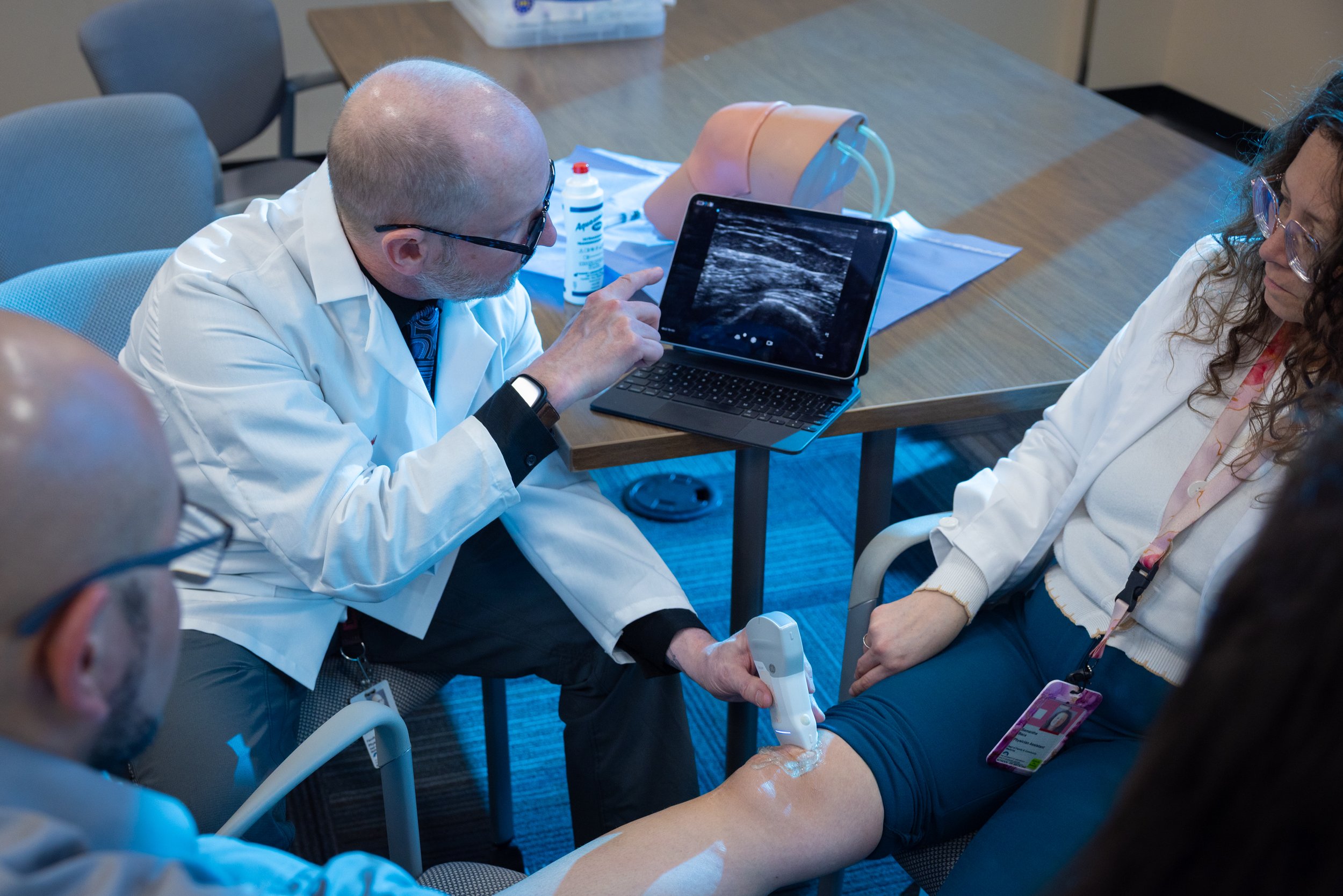
UNM Hospital (UNMH) is the only academic health center in New Mexico and the primary teaching hospital for UNM School of Medicine. This means our care team is on the cutting edge of medical research, technology, clinical trials, and specialty care. We care for patients with the most complex needs in the Southwest – regardless of their ability to pay.
Through the Accelerate New Mexico campaign, we aim to address some of our greatest challenges within our Native American and rural-dwelling communities.
Overview:
We are a leader in patient care, medical training, and research. Our mission is to improve health and healthcare for all New Mexicans. This includes improving access to medical services and reducing inequities that lead to disparities in health outcomes.
But there are many challenges to our healthcare provision. Our rural communities where we have limited workforce already suffer from a lack of social services infrastructure. They also lack broadband access, making it difficult to develop and implement additional Patient Navigator support programs. Language and cultural barriers in Native American communities further inhibit the expansion of our programs.
List of Priorities:
-
This new program will support improved health and health outcomes for our most vulnerable patient populations in New Mexico. It is vital to our mission of improving the healthcare for all New Mexicans by enhancing equity and access of care.
Our vulnerable patient population has a Medicaid rate averaging 60% and many of the patients cannot read or write. Therefore, sending them home with a discharge packet has little impact on their continuum of care outside the hospital. Without support and guidance during and after discharge from UNMH, our patients have few resources. Too often, these patients are readmitted to the hospital, continue with their current health struggles, and/or develop new illnesses.
UNMH has approximately 23,000 patient discharges per year. Of these discharges, around 30% are to communities outside of the Albuquerque area where resources are scarce or non-existent. Our new program will allow UNM to:
Build upon current patient care coordination and navigation resources to ensure that patients being discharged from acute inpatient hospital care have what they need to succeed in their home communities.
UNMH, in collaboration with the Office of Community Health, is working to implement Social Determinants of Health (SDOH) screening on inpatient discharges. The screening is important for identifying specific patient needs and resources to return successfully to their home communities. The Comprehensive Patient Education and Wellness Discharge Program will:
Include navigation and support resources in more communities.
Provide education and training on the importance of addressing SDOH as part of overall patient health.
In addition, the program will be enhanced by the creation of a dedicated Call Center, which will:
Track and offer follow-up phone contact to the thousands of patients with many adverse social determinants.
Check on adherence to discharge plans, assessing to see if appointments were kept, prescriptions were filled, and needed transportation to local clinics and other SDOH that affect the patient’s health were addressed.
$3 million annually in philanthropic funding will support this life-changing program.
-
UNMH enjoys strong relationships with the All-Pueblo Governor’s Council; Indian Health Services; Bernalillo County; and our Native American Pueblos, Tribes, and Reservations. We also benefit from a well-established Office of Native American Health, which provides Native American language services. However, the remoteness of many Native American communities, a lack of local infrastructure, and language and cultural barriers are significant factors in delivering top-quality healthcare.
Research shows that socio-economic determinants impact health disparities. Without support and guidance during and after discharge from UNMH, many Native American patients have little to no resources to guide them on their health journeys outside of the hospital. The Native American Wellness Initiative will support improved health and health outcomes for these vulnerable populations.
The Native American Wellness initiative will:
Work with the UNMH Office of Native American Health to create expanded resources in tribal communities for patients discharged from UNMH.
Link with and help subsidize a new network of place-based, part-time, UNM-affiliated Native American Health Extension Agents serving tribal communities across the state through local navigation to needed resources. These agents will be UNMH Native American Services rural extenders, addressing adverse social determinants among discharged adult Native American patients, with the local knowledge to fill identified resource gaps.
Allow UNMH to expand work with the UNM Office of Community Health to develop education and training programs for staff and create additional navigation and Community Health worker resources in tribal communities.
$2 million annually of philanthropic funding is required to support this life-changing initiative.
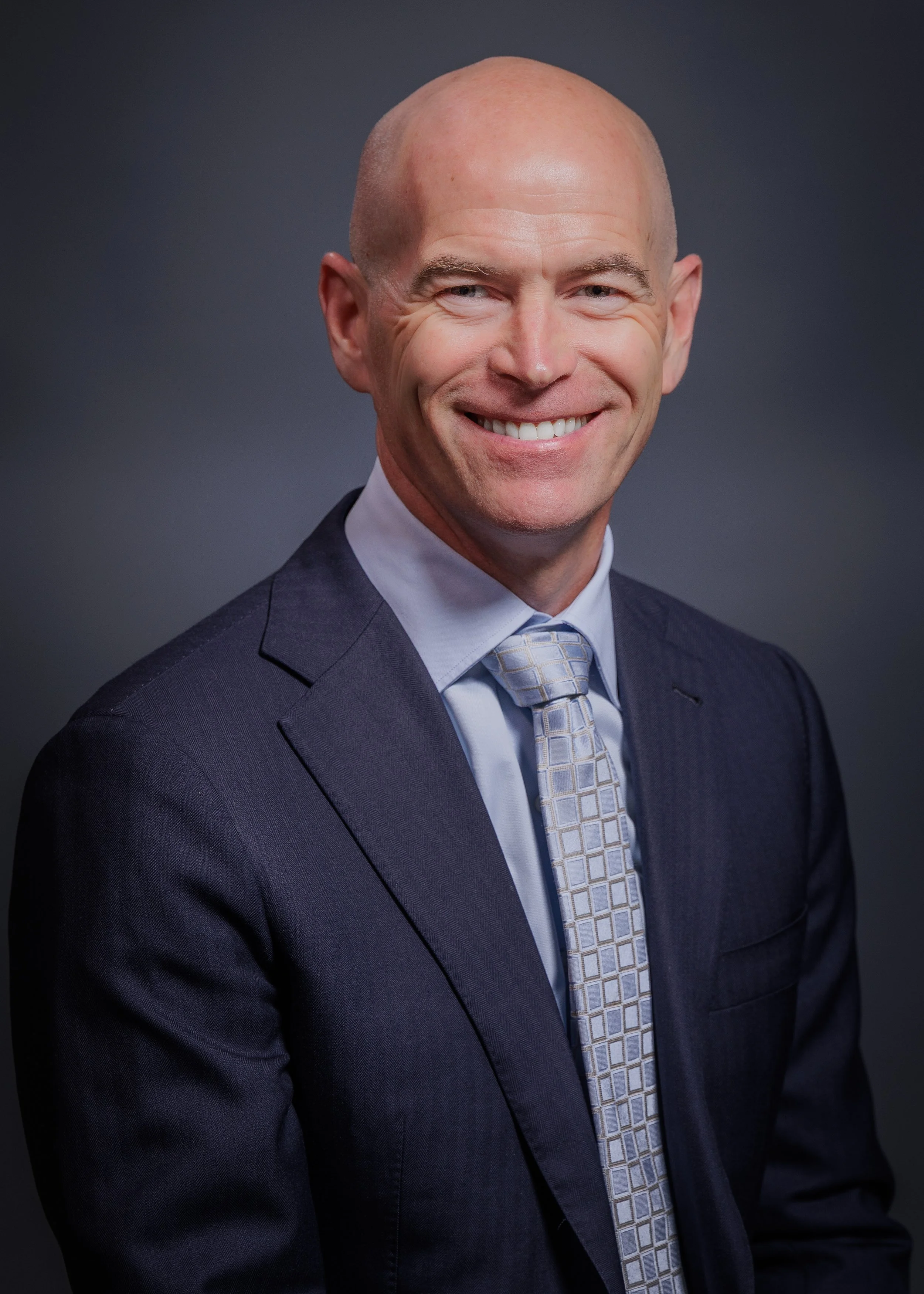
Steve McLaughlin, MD, MBA
Vice President of Clinical Affairs / UNM Hospital
“Your generosity supports our only academic hospital – it also strengthens the future of health care in New Mexico. As New Mexico’s only academic medical center and the state’s largest teaching hospital, UNM Hospital is uniquely positioned to transform lives through exceptional patient care, groundbreaking research, and the education of tomorrow’s health care workforce.
Many of our most passionate supporters are former patients and families who have experienced firsthand the compassion, expertise, and lifesaving care provided by our teams. Their gratitude inspires gifts of every size, directed to the programs and specialties that made a difference in their lives. Every gift matters.
Your support empowers UNM Hospital to go beyond what traditional funding alone can provide. It includes expanding access to care, advancing innovation and helping ensure the right care, at the right time, in the right place for those who need it most. Your generosity is an investment in healthier families, stronger communities and a brighter future for all New Mexicans. Together, we can Deliver More for every patient, every family and every community we serve.”
Women’s Choice Award®
Women’s Choice Award® for America’s Best Hospitals, Cancer Care, for several years running
Level I Trauma Center
Home to the state’s only Level I Trauma Center
U.S. News & World Report
Recognized by U.S. News & World Report in seven areas of care
We realize that these are ambitious goals. But the university-wide momentum and energy of the Accelerate New Mexico campaign presents us with an historic opportunity to rise to the challenges of today at UNM Hospital.